GE Healthcare

Centricity Business Application Full UI Uplift

Overview

Centricity Business is a cloud-based healthcare revenue cycle management (RCM) solution for managing the billing requirements for hospitals, integrated delivery networks, academic medical centers, and large practices.

Offering the workflows and capabilities required to address the various payment changes that are being driven by healthcare reform, Centricity Business can help users achieve accurate reimbursement and greater profitability.

To remain competitive, Centricity needed to update their product UI, as they moved from an Enterprise level client server model to cloud-based offering.

I was tasked to research UX and design the UI for the newly established web based structure of the cloud-based business revenue cycle management (RCM) platform.

We developed the new UI with user-centered design (UCD) and UX research methods and Agile style management. I was located in Boston, MA. The Product Owner was in Seattle, WA; and the Developers were in Mumbai, India.

We ran two-week sprints and the UI uplift for Phase 1 took six months. Every sprint, To show our progress during each sprint, I used WebEx to present iterative products to management and development groups.
role

UX Researcher / UI Designer for Platform Product

Client

Product

Agile Team

Background

My goal was to create an interface that embodied professionalism while being approachable and geared towards the new vision of their product.

I used UCD principles to gather data and develop requirements for the new UI. The UI would foster newer ideas while meeting users' needs and business requirements.

UCD principles applied to product development provide a guide to what ultimately will work best. Design communication is difficult but with UCD, it is not just my opinion -- decisions about UI are supported by data uncovered during the UX Research. I will gladly show you such data in a meeting.

Developed survey instruments, used remote & in-person interviews, observation and focus groups to gather data.

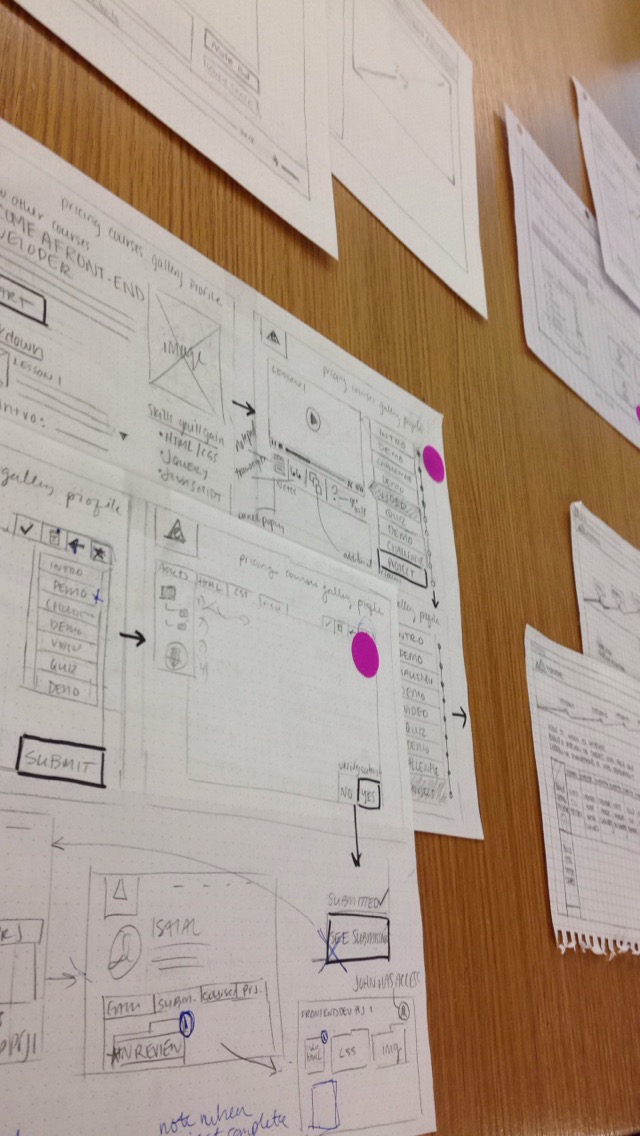
sketch

UI TRANSFORM

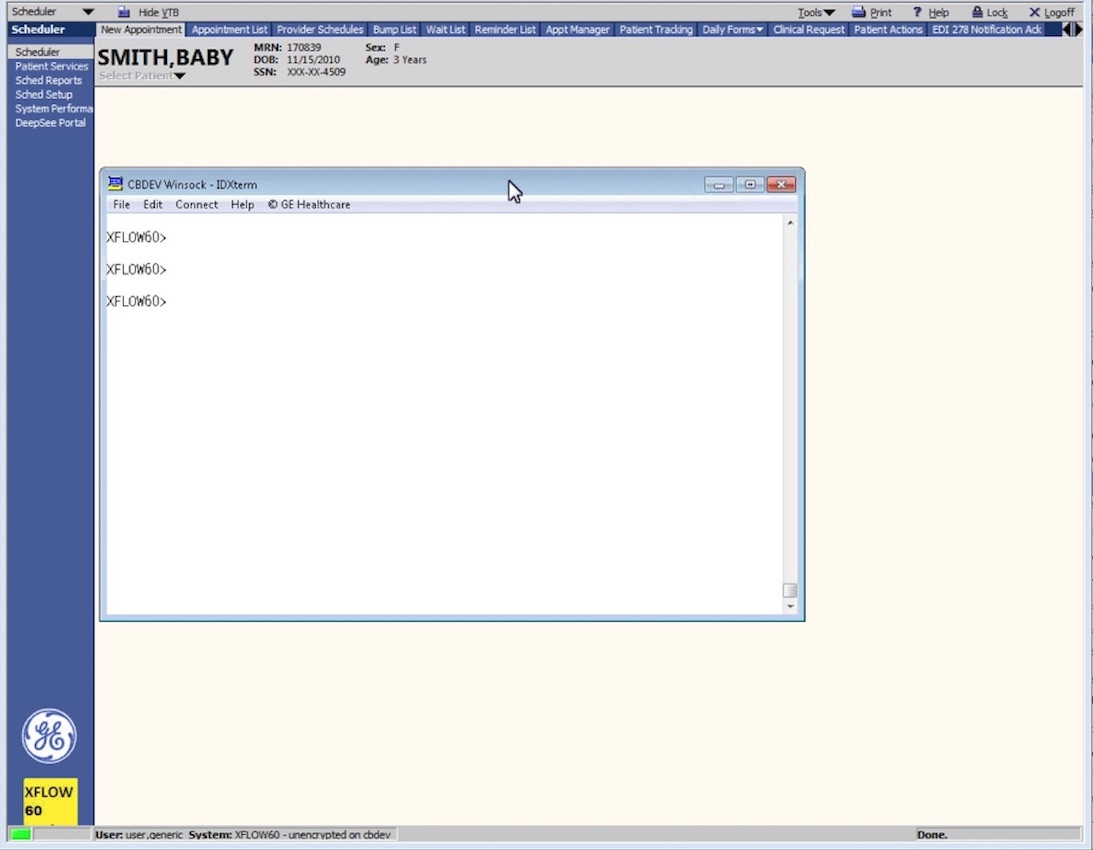
The original structure of the UI was completely transformed based on the results of my research, and user testing, which concluded that several usability changes were needed. The restructure made the content within the platform more digestible and approachable for users.

The UI additionally had to meet certain brand requirements that a newly formed internal branding team had published for internal marketing initiatives.

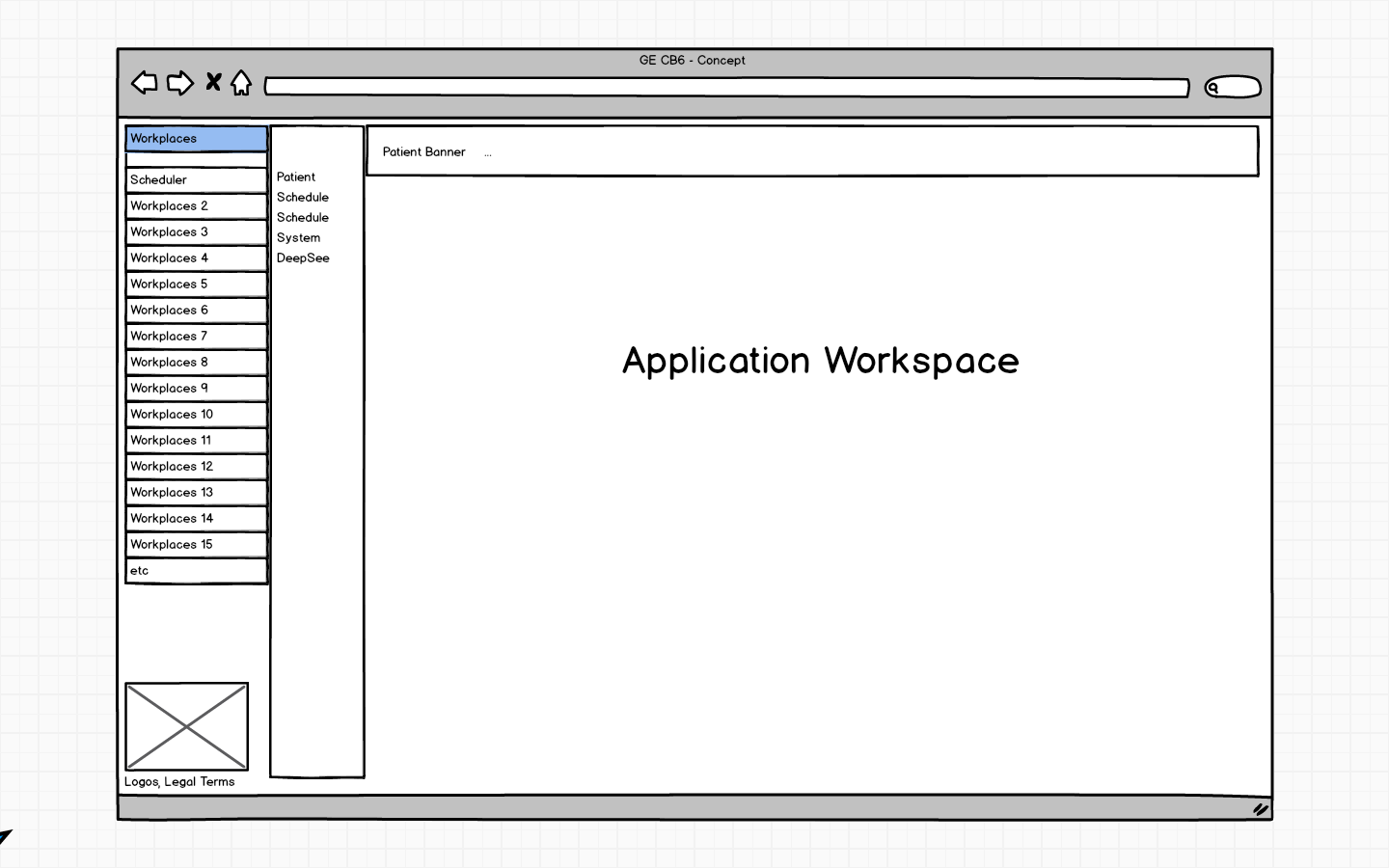
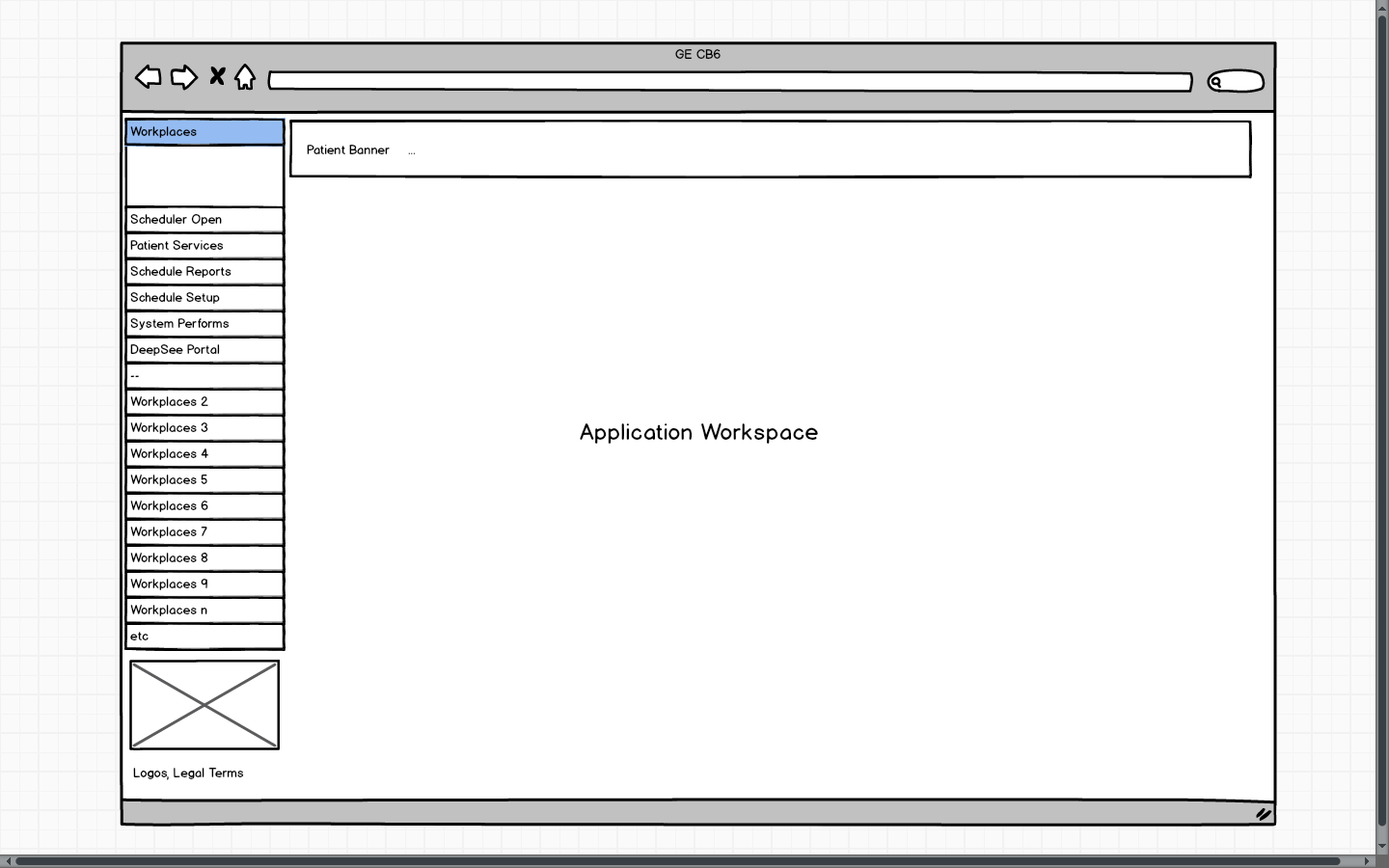
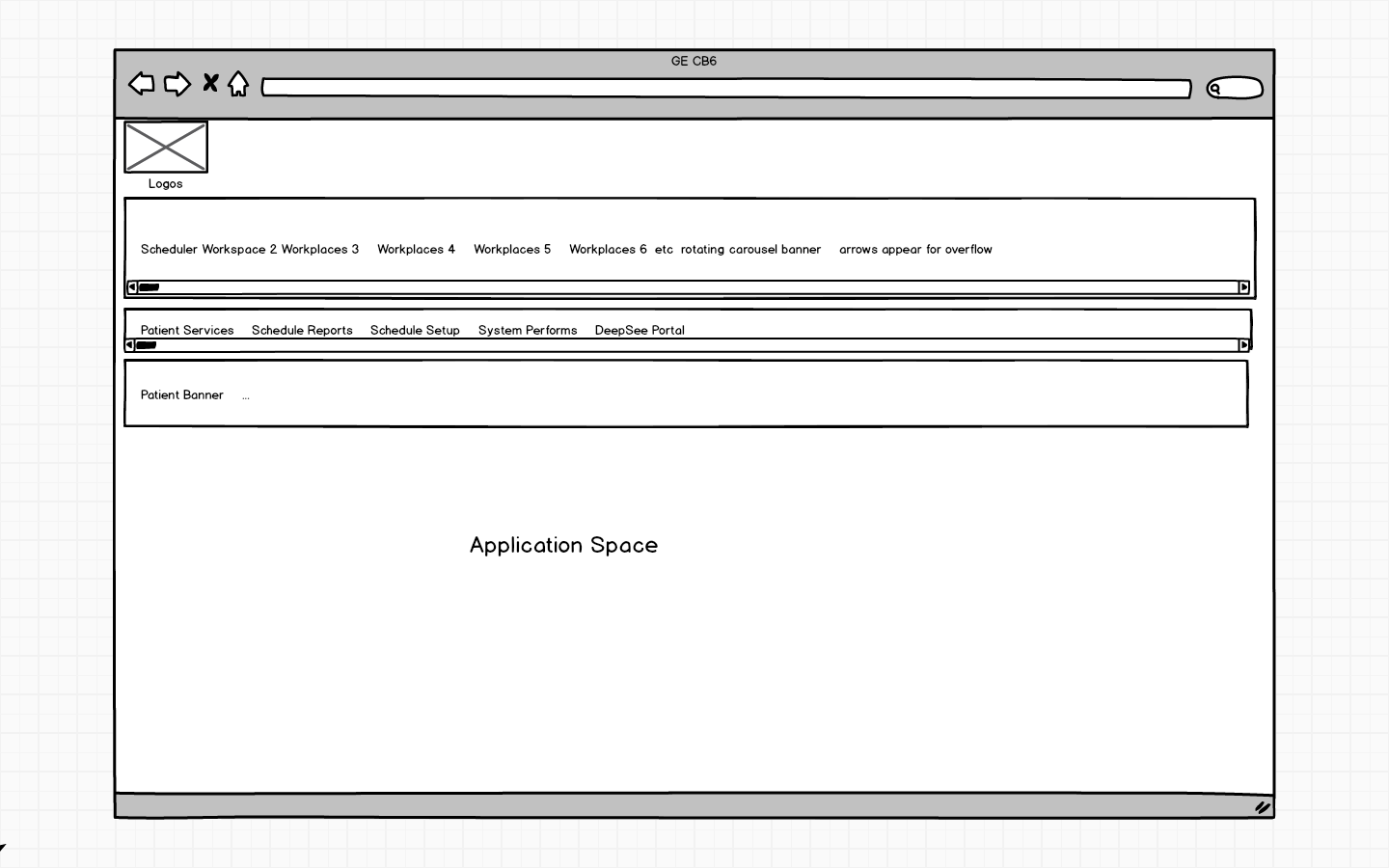
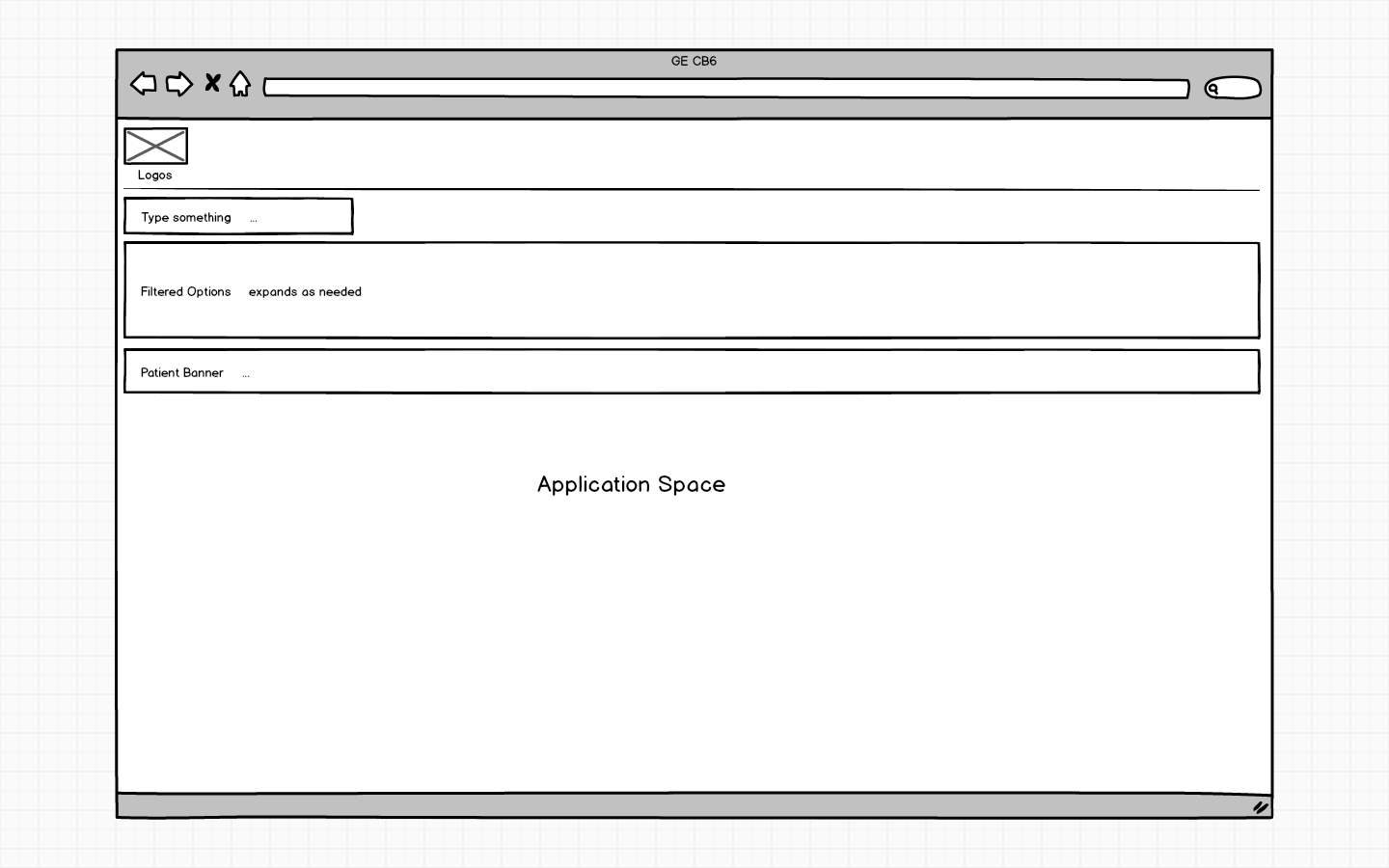
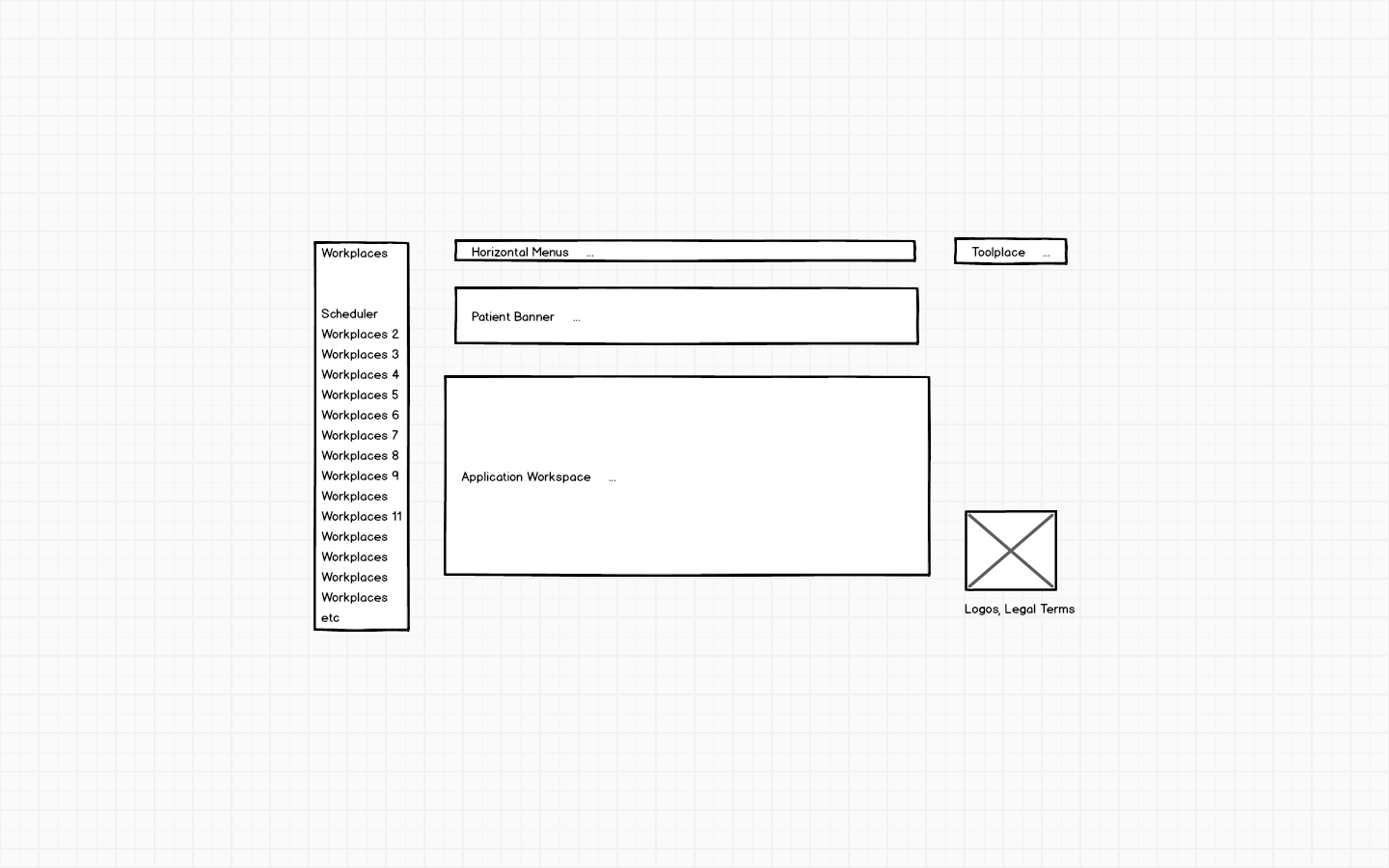
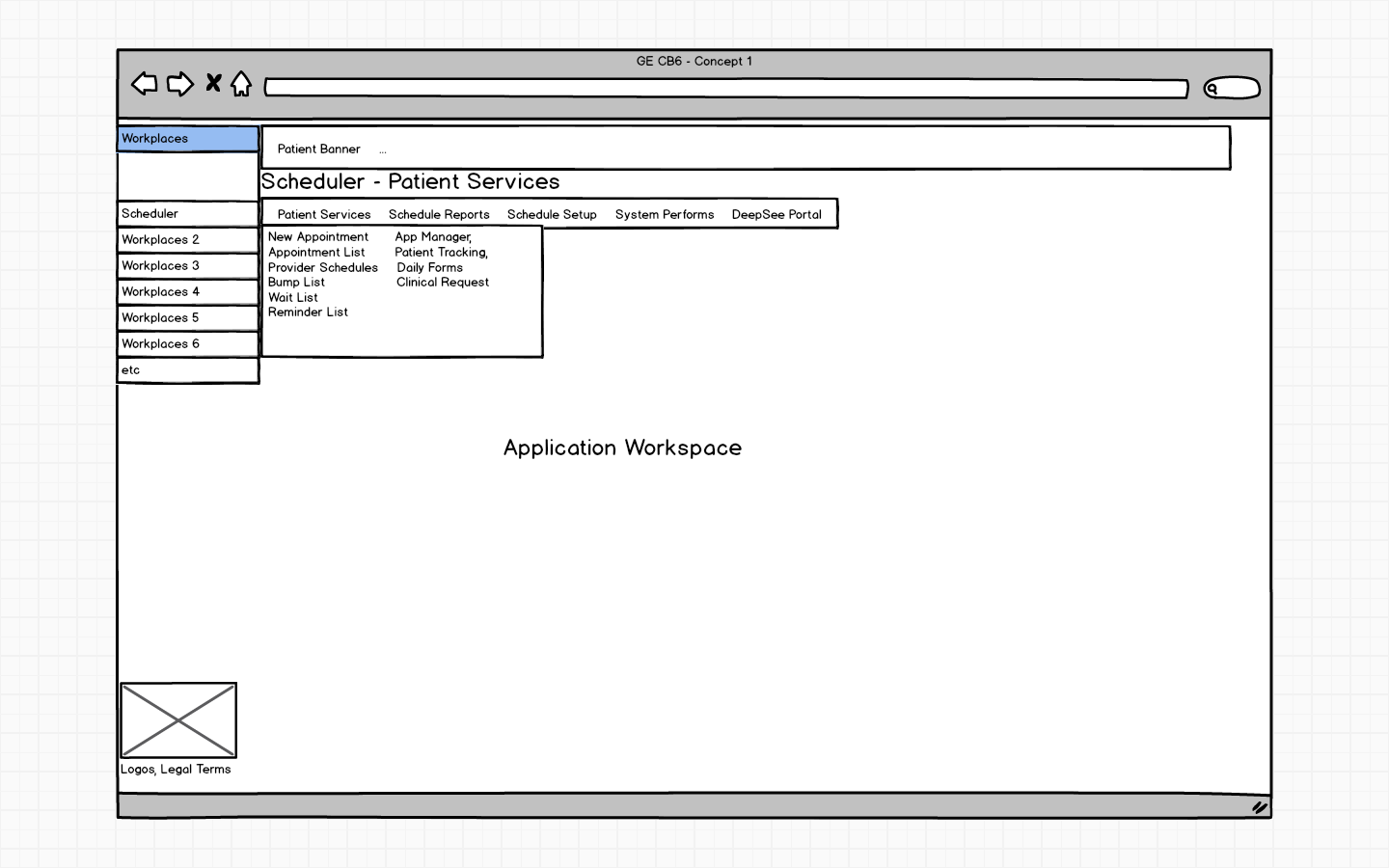
During sprints and sprint reviews, I put together a series of wireframes (Balsamiq) and prototypes (AngularJS) for main menus, which I programmed in AngularJS.


wireframe wireframe wireframe wireframe wireframe wireframe

Style Exploration

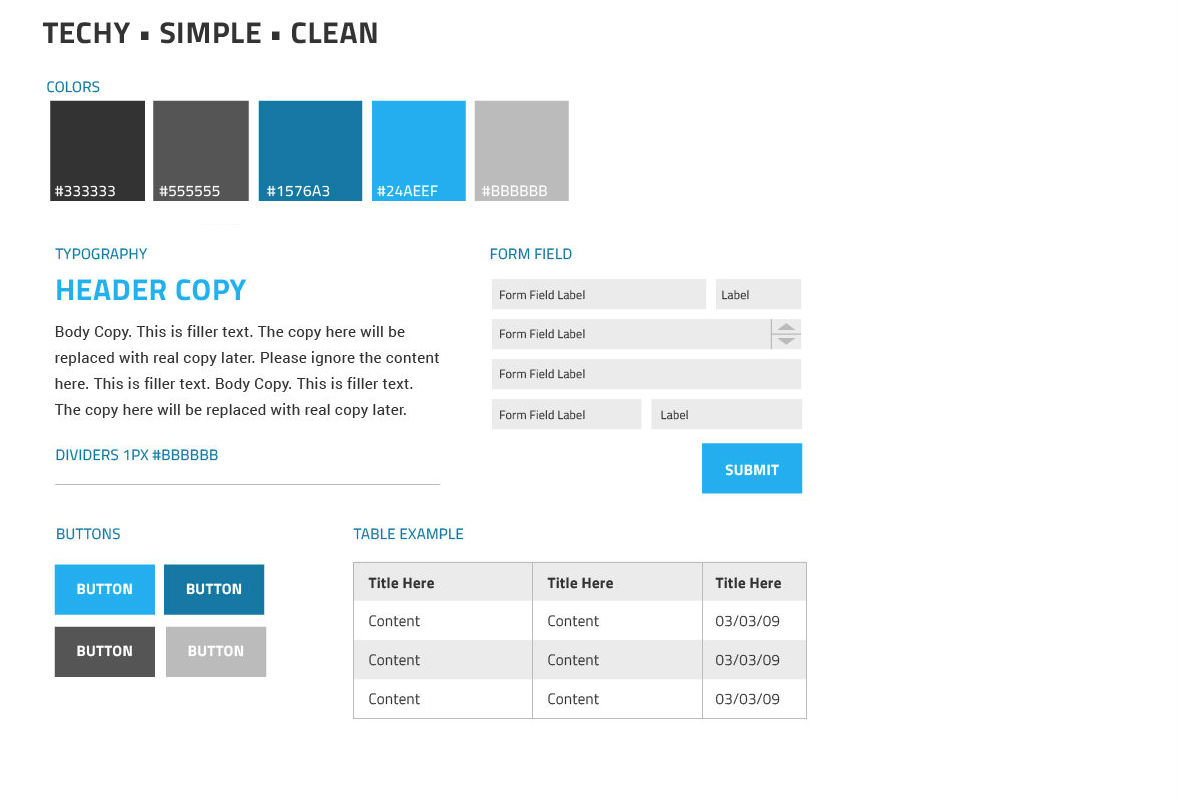
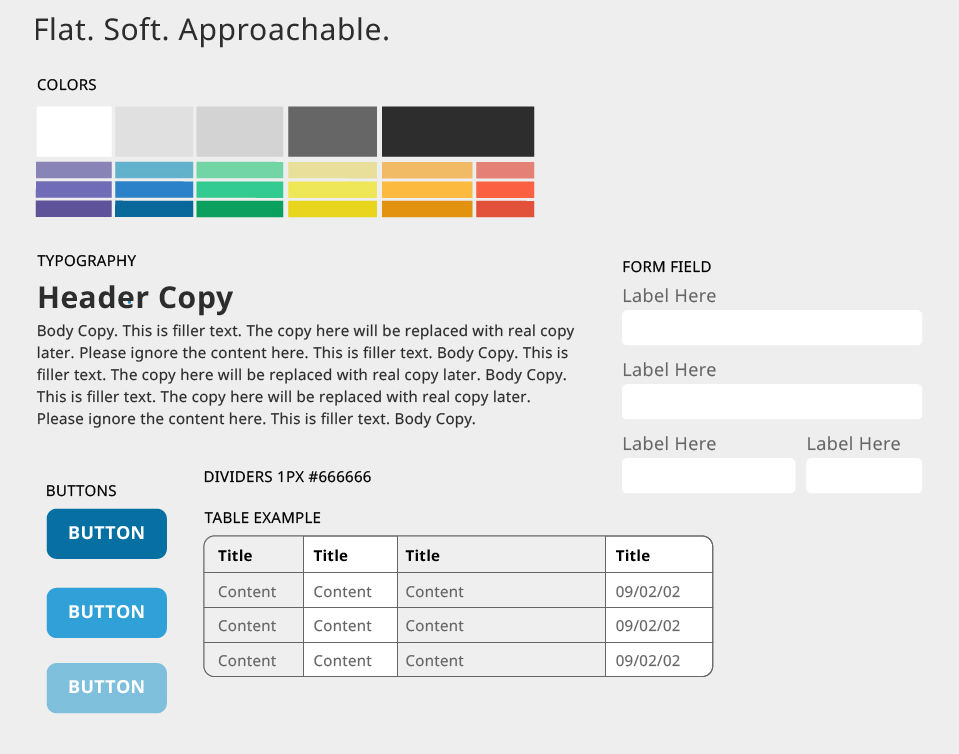
After reading through the annotated wireframes, I began exploring potential UI design solutions. I presented two styles; the customer chose my first style as it closely matched the new branding initiatives.


style1 style1

Compare Before and After

BEFORE

AFTER

What the GEHC staff members say, View GEHC Comments: